The Legacy of Kindness
Some lives are measured in titles and awards. My father has always taught me to measure a life differently: by the good we leave behind, and by the kind of person we are while doing it.
That lesson might sound surprising coming from him. Geir Helge Ommundsen has spent much of his life doing things that, by almost any measure, matter. He has built water systems, health clinics and vocational training programmes in some of the most underserved places in the world.
And yet, when he speaks about what makes a life worthwhile, he rarely talks about achievement. He talks about kindness. About how we treat other people.
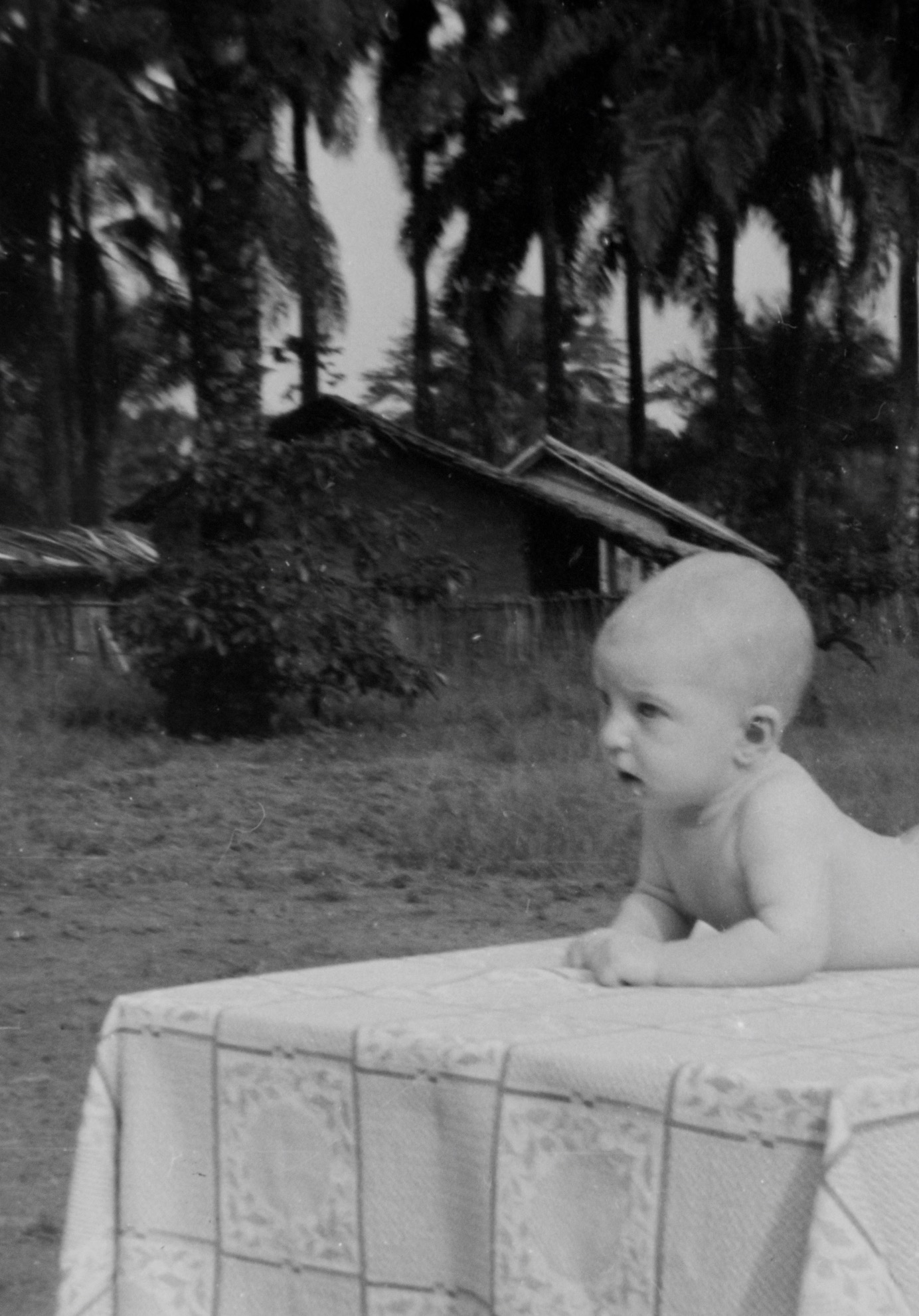
My father was born in 1952 in a simple hut in Congo-Brazzaville, where his Norwegian parents were working as missionaries. He grew up surrounded by Congolese children and spoke Lingala more naturally than Norwegian.
Decades later, his professional life would take him across Africa and beyond. Trained as an engineer, he devoted his career to humanitarian assistance and international development, working in places such as Somalia, the Democratic Republic of Congo, Rwanda, Mali and the Balkans.
His particular gift was never only technical. He could design and build, but he could also bring people together. He understood that a water system was not simply pipes and pumps; it was relationships, trust and a community taking ownership of something that could transform their lives.
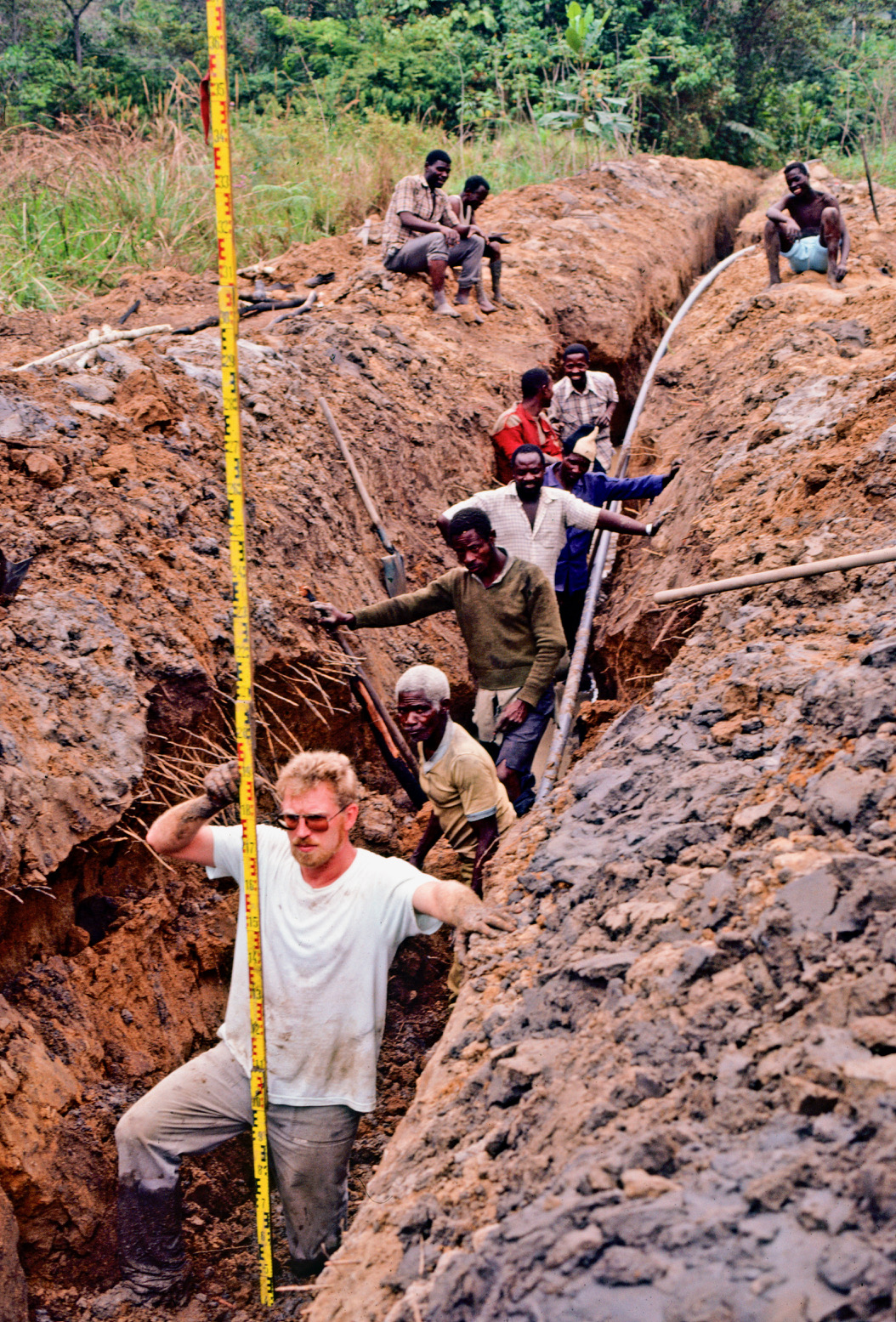
The results were tangible: clean water for tens of thousands of people, vocational programmes giving young people new opportunities, and clinics serving communities with little access to healthcare.
I spent my own childhood in the same village in Congo where my father had once lived as a boy. From the age of six, I would follow him to the construction sites.
I remember looking at him with awe.
My father could build things. Not just metaphorically. He could look at an empty piece of land and, together with the people around him, create something that had not existed before: a water system, a clinic, a classroom.
And he was always there for my mother. She was a midwife, and I watched the two of them work side by side. In clinics powered by generators, she sometimes faced life-threatening complications during deliveries, and my father would step in to assist whenever she needed another pair of hands.
Looking back, my father really did have an extraordinary impact. But not the kind measured in awards or bonuses.
His achievements could be counted in people. In lives saved. In water flowing from a tap where there had been none. In a young person learning a vocation. In the possibility of a different future.
And still, the message he has repeated to me throughout my life is this:
What we achieve is secondary to who we are — and to how we treat others.
That is perhaps the greatest lesson he has given me. My father is one of the most impressive people I know. But more importantly, he is one of the kindest.
He treats people with the same dignity regardless of their position, nationality, background or status. He has particular time for strangers, for people who are overlooked, and for those who need an extra hand.
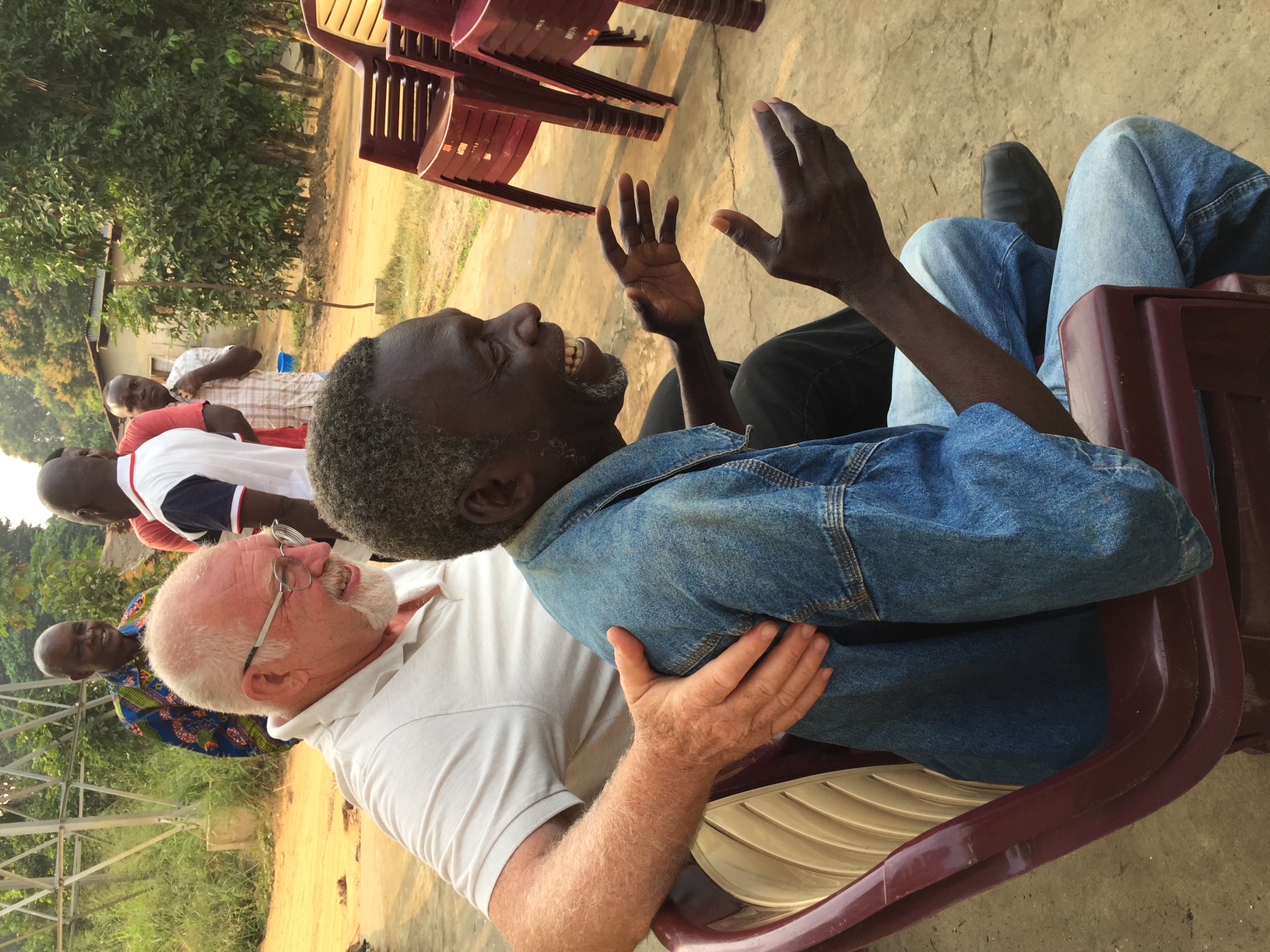
My father has always been guided by a passage from the Gospel of Matthew: "I was hungry and you gave me food. I was a stranger and you welcomed me. I was in prison and you visited me."
The lesson is simple and demanding.
What we do matters. We should contribute, build, serve, and leave something better behind us. But beneath all of that lies something more fundamental: who we are while doing it.
How do we treat the person who can do nothing for us? The stranger who needs help? The person without influence or status?
Those moments may ultimately say more about us than our greatest professional achievements.
My father has also taught me to think of life as something larger than the years we ourselves occupy.
We inherit something from those who came before us, and we pass something on to those who come after.
Our deepest legacy is not our possessions, career achievements or ambitions to which we devoted years of our lives.
It is carried in people.
It is the relationships we build and the kindness people remember. The ways in which our children learn to treat others with respect because they once watched how we did.
Today, my own children call my father Nkoko — grandfather in Lingala. There is something beautifully full-circle in that.
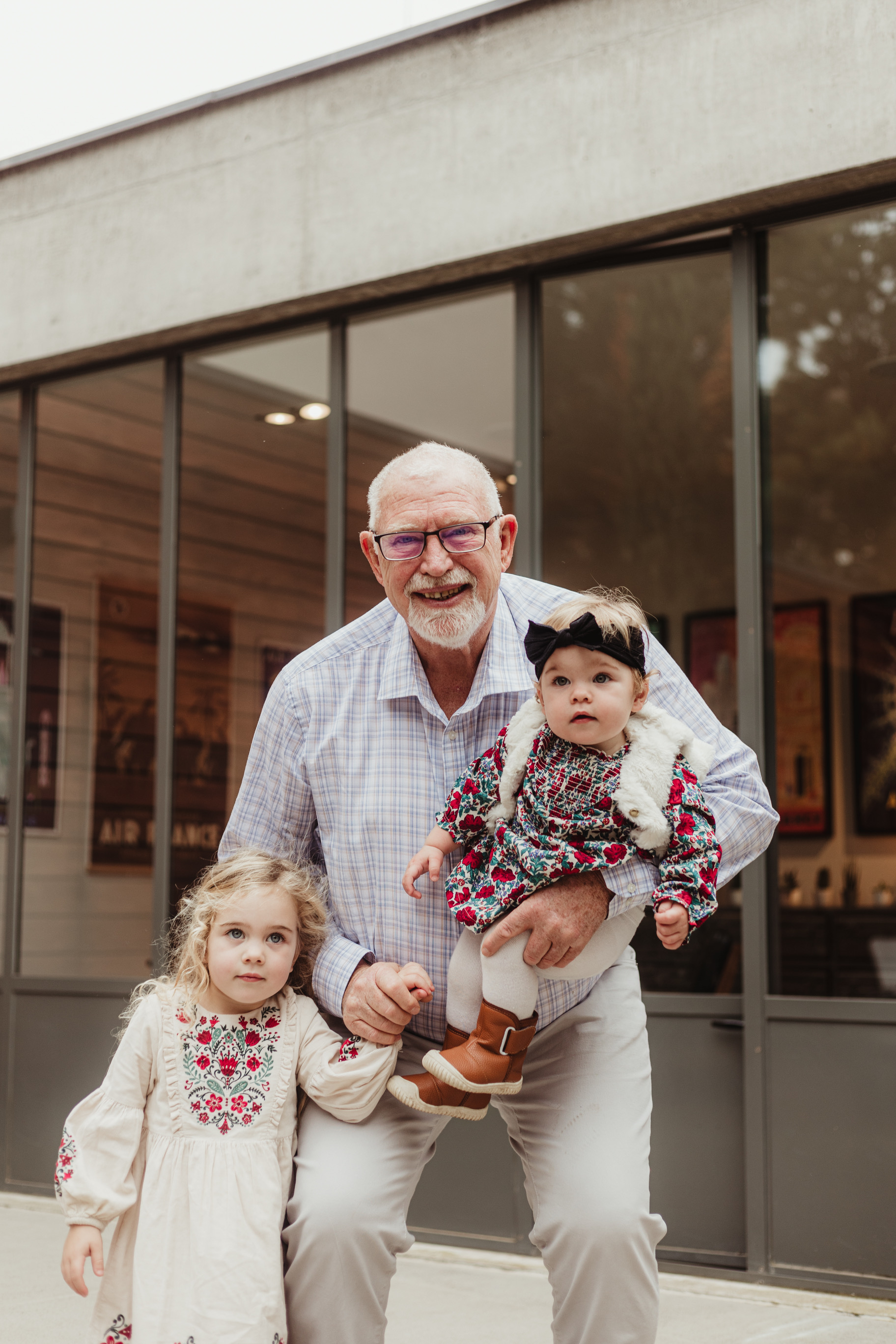
A boy born in Congo seventy-four years ago, who grew up speaking Lingala and devoted much of his life to serving communities across Africa, now hears his grandchildren call him, with love and reverence, by a name from that same language.
I hope that what they inherit from their Nkoko is not simply the story of everything he built.
I hope they inherit the reason he built it.
The belief that a meaningful life is one spent in service to others.
That achievement without kindness is hollow.
That dignity belongs to everyone.
And that, in the end, what we leave behind is neither what we built nor what we owned, but the people we lifted up, and the love we passed on.
This essay was written by Thorodd Ommundsen as a tribute to his father, Geir Helge Ommundsen.